Safe Homemade Peanut Butter Dog Treats Guide
Learn which peanut butter is safe for dogs and make easy homemade peanut butter treats. A complete guide to choosing xylitol-free peanut butter and simple treat recipes.
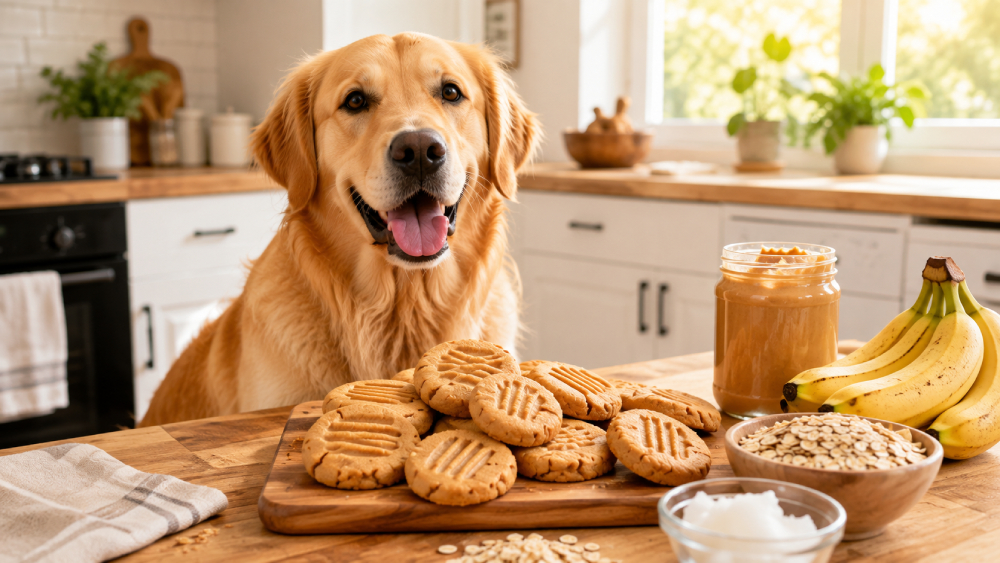
Ingredients
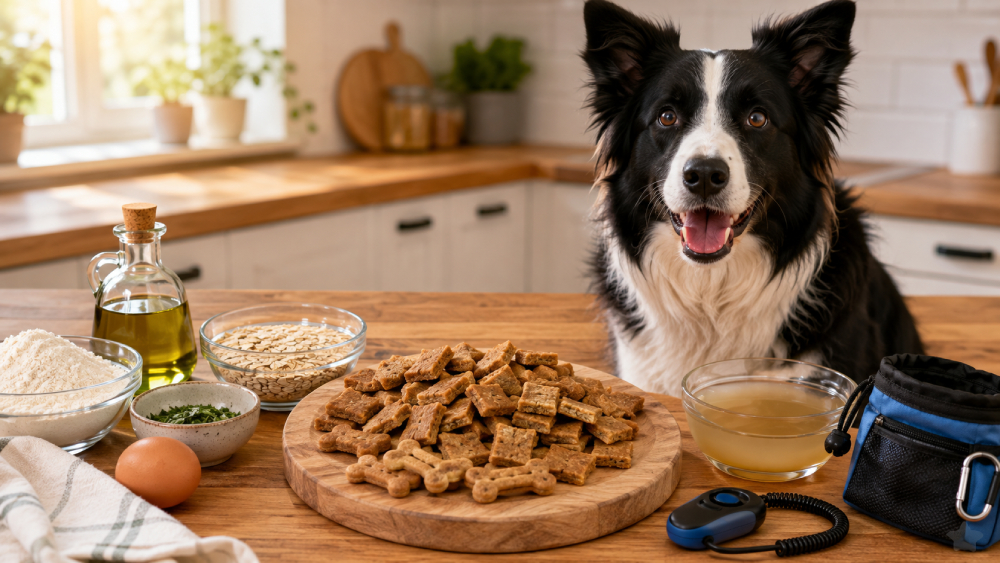
- 1/4 cup natural peanut butter (must be xylitol-free)
- 1 ripe banana, mashed
- 1 cup rolled oats
- 1 tablespoon coconut oil, melted
Instructions
- Preheat oven to 325°F (160°C). Line a baking sheet with parchment paper.
- Check the peanut butter label carefully. It must NOT contain xylitol, birch sugar, or any artificial sweeteners. Safe peanut butter has just peanuts and possibly salt.
- In a bowl, mash the banana thoroughly until smooth. Add the peanut butter and melted coconut oil. Mix well.
- Stir in the rolled oats until a thick, sticky dough forms. If too wet, add a few more oats.
- Scoop tablespoon-sized portions onto the baking sheet, pressing each one flat with a fork.
- Bake for 12 to 15 minutes until set and lightly golden on the edges.
- Cool completely on the baking sheet before removing. These treats are soft and crumbly when warm but firm up as they cool.
Nutrition Information
- Calories: 40 per treat
- Protein: 1.5g
- Fat: 2g
- Carbohydrates: 4g
- Fiber: 0.5g
- Sugar: 1g
Tips & Notes
Here are some important tips to help you get the best results from this recipe:
- The number one rule with peanut butter for dogs: always check for xylitol. This artificial sweetener is extremely toxic and can be fatal to dogs even in small amounts.
- Safe peanut butter brands typically have just one or two ingredients: peanuts and maybe salt. Avoid brands with added sugar, hydrogenated oils, or artificial sweeteners.
- Peanut butter is high in calories and fat. Use it as an occasional treat, not a daily staple. A tablespoon has about 90 calories.
- Stuff peanut butter inside a Kong toy and freeze it for a long-lasting enrichment activity that keeps dogs occupied.
Frequently Asked Questions
What peanut butter brands are safe for dogs?
Most natural and organic peanut butter brands are safe for dogs. Look for products with just peanuts (and possibly salt) in the ingredients. Popular safe options include the natural/organic lines from most major grocery stores. The key is checking every label every time you buy, since manufacturers can change formulations. If the ingredients list anything other than peanuts, oil, and salt, choose a different brand.
How much peanut butter can I give my dog?
As a guideline, small dogs can have about half a tablespoon of peanut butter per day, medium dogs about one tablespoon, and large dogs up to two tablespoons. Peanut butter is calorie-dense at about 90 calories per tablespoon, so it should be an occasional treat rather than a daily addition. If using peanut butter to hide medication, the small amount needed is perfectly fine for most dogs.
What are the signs of xylitol poisoning in dogs?
Xylitol poisoning symptoms can appear within 15 to 30 minutes of ingestion and include vomiting, weakness, difficulty walking, tremors, seizures, and collapse. Xylitol causes a rapid release of insulin leading to dangerously low blood sugar, and can also cause liver failure. If you suspect your dog has eaten anything containing xylitol, contact your veterinarian or the Pet Poison Helpline immediately. This is a life-threatening emergency.
Can puppies eat peanut butter?
Puppies over 6 weeks old can have small amounts of xylitol-free peanut butter as an occasional treat. Start with a tiny taste to make sure they tolerate it without allergic reaction. Because puppies are small and have developing digestive systems, keep portions very small — about a quarter teaspoon for small breed puppies and half a teaspoon for larger breed puppies. Never give peanut butter to puppies under 6 weeks old.