How Can I Help My Dog Gain Weight?
First, see your vet - weight loss can be caused by parasites, dental pain, or diseases like thyroid problems, diabetes or digestive illness, and those must be ruled out. Once your dog is healthy, help them gain weight slowly by feeding a good-quality, calorie-dense food in several small meals a day, adding wet or higher-fat food for palatability, and re-checking weight regularly. Avoid fast weight gain and rich human foods, which can trigger pancreatitis.
The safe way to help a skinny dog put on weight is to find out why they’re underweight first, then add calories gradually with the right food. Rapid weight gain and rich table scraps can do more harm than good, so this is worth doing carefully.
Step 1: See your vet before anything else
A dog can be underweight simply because they’re not eating enough or burning a lot of energy - but weight loss is also a symptom of many health problems, including:
- Intestinal parasites (worms)
- Dental pain that makes eating uncomfortable
- Digestive disease or poor nutrient absorption
- Diabetes, thyroid disease, or other metabolic conditions
- Stress, nausea, or, in older dogs, more serious illness
A vet check-up rules these out, confirms your dog’s ideal weight, and makes sure you’re adding calories rather than masking a problem. This step is genuinely important - feeding more won’t fix a dog that’s losing weight because of illness.
Step 2: Choose the right food
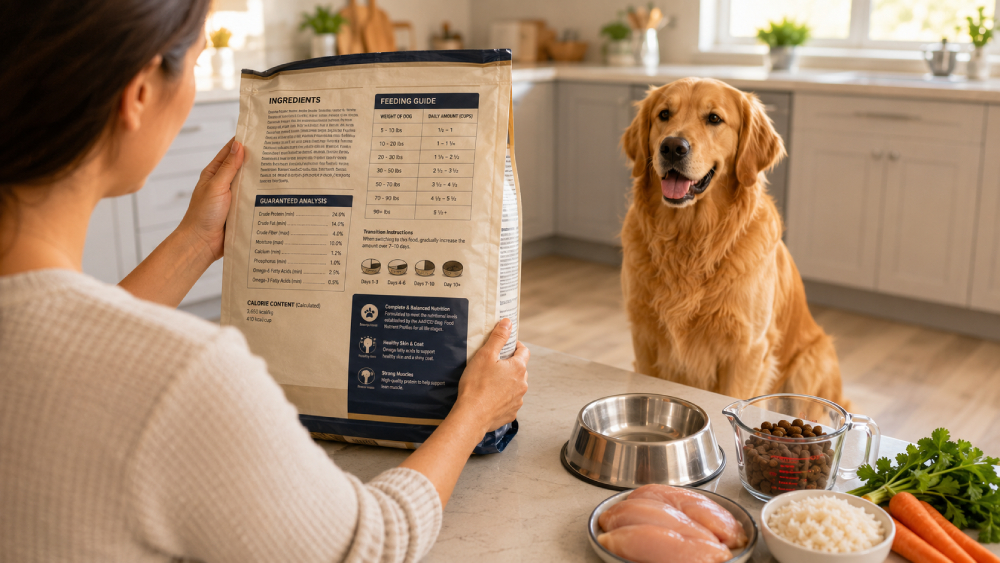
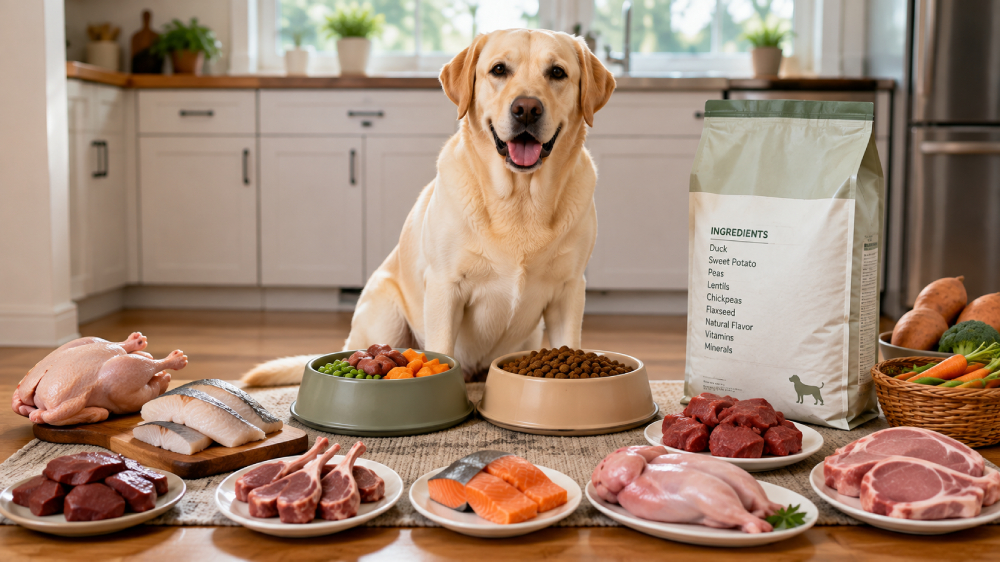
- Pick a quality, calorie-dense diet. A good food that’s higher in protein and fat delivers more nutrition per bite, which suits a thin dog.
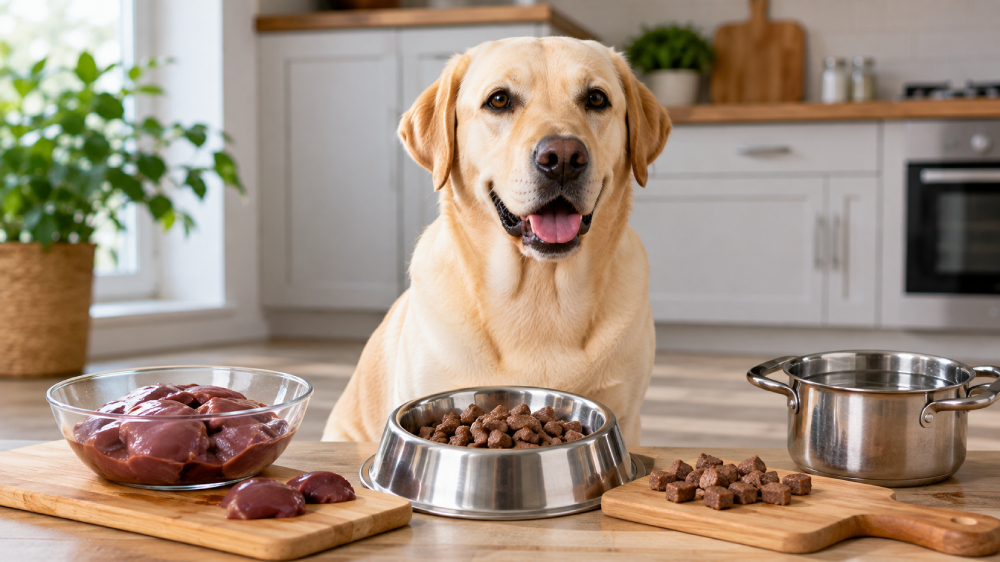
- Add wet food. Canned food is often tastier and encourages a fussy or low-appetite dog to eat.
- Ask about a prescription option. For very thin or recovering dogs, vets can recommend a high-calorie recovery diet.
Step 3: Adjust how you feed
- Feed small meals more often - three or four smaller meals a day are easier to eat and digest than one big bowl.
- Warm wet food slightly to boost the aroma and appeal.
- Make mealtimes calm - a quiet spot helps anxious or distracted dogs eat.
- Increase gradually. Sudden diet changes cause diarrhoea; transition over about a week.
Do it slowly - and safely
Aim for steady, gradual gain, not a rapid spike. Piling on weight too fast is unhealthy, and fatty human foods used to “fatten up” a dog can trigger pancreatitis, a painful and serious condition. Avoid cooked bones, rich leftovers and anything toxic to dogs. Track progress with regular weigh-ins and your vet’s body-condition guidance.
When to go back to the vet
Return promptly if your dog keeps losing weight despite eating well, refuses food, seems lethargic, or has vomiting or diarrhoea. Ongoing weight loss always deserves a professional look.
References
- How to Help Your Skinny Dog Gain Weight - Hill’s Pet
- Tips for Choosing a Food for Dog Weight Gain - PetMD
- How to Tell if Your Dog is Underweight - American Kennel Club
This article is general information, not veterinary advice. Have your vet check any dog that is underweight or losing weight.